

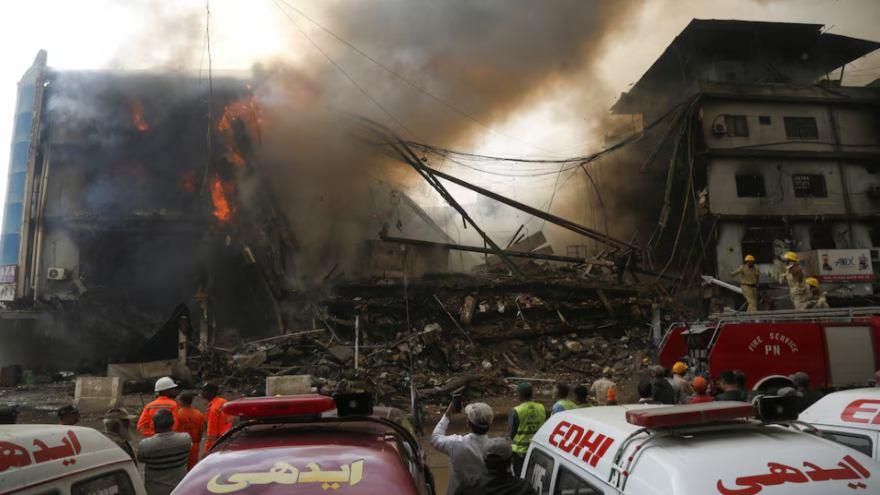
Community Organizations Mobilize Relief as Death Toll Reaches 28
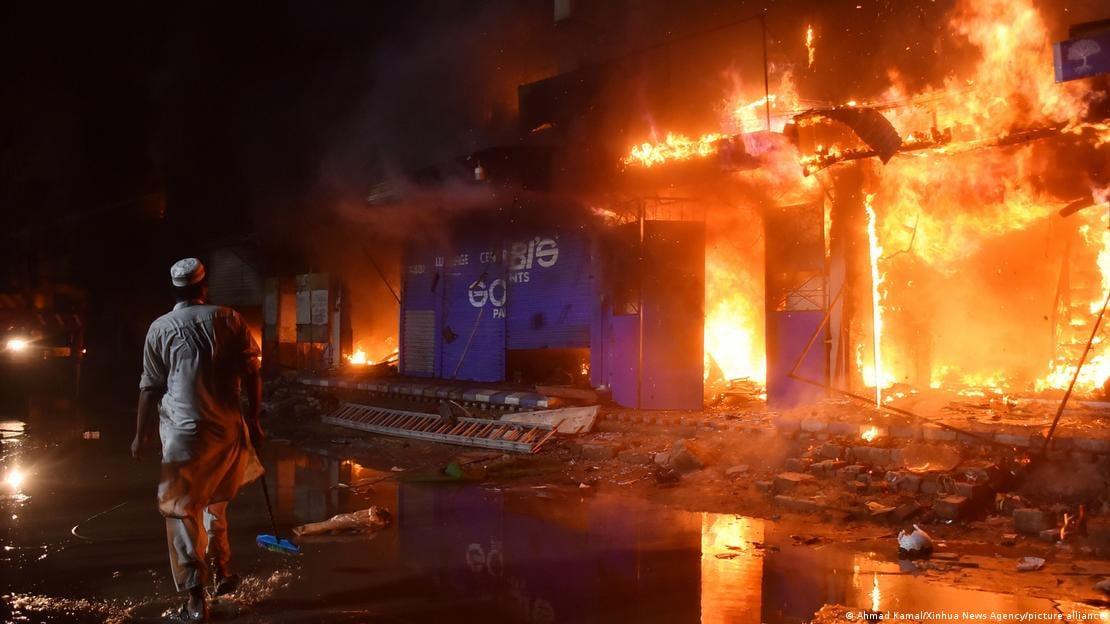
In the aftermath of Karachi’s deadliest fire in over a decade, civil society organizations, community groups, and ordinary citizens have mobilized an unprecedented relief effort to support victims of the Gul Plaza tragedy. As the death toll climbed to 28 and dozens remained missing, the response from civil society to support fire affectees has demonstrated the power of community solidarity during times of crisis.
The massive fire that erupted on January 17, 2026, at the shopping complex on MA Jinnah Road devastated over 1,200 shops and left thousands of traders facing complete financial ruin. Estimates suggest economic losses exceeding Rs3 billion, not including the immeasurable human cost of lives lost and families shattered. In response, civil society has stepped forward to fill gaps that government assistance alone cannot address.
Alkhidmat Foundation Leads Emergency Response
Alkhidmat Foundation Pakistan, one of the country’s leading humanitarian organizations, immediately activated its emergency response protocols upon hearing news of the fire. Within hours of the blaze breaking out, Alkhidmat volunteers were on-site providing emergency medical assistance, distributing food and water to exhausted rescue workers, and setting up a help desk for families searching for missing loved ones.
The organization established a dedicated relief fund specifically for Gul Plaza victims, with donations pouring in from across Pakistan and the Pakistani diaspora worldwide. Alkhidmat announced it would provide immediate cash assistance to families of the deceased, financial support for injured victims requiring ongoing medical treatment, and emergency relief packages containing essential supplies for families who lost breadwinners in the tragedy.
Dr. Hafeez-ur-Rehman Chishti, President of Alkhidmat Foundation Karachi, stated: “This is not just about financial assistance. We are committed to standing with these families through their darkest hours, providing psychological support, helping with burial arrangements, and ensuring that children who lost parents continue their education.” The foundation has pledged long-term support, including educational scholarships for orphaned children and vocational training for widows.
Business Community Rallies for Traders
The Karachi Chamber of Commerce and Industry, along with various trader associations, has launched initiatives specifically targeting the business rehabilitation needs of affected shop owners. Recognizing that many traders lost not just their inventory but their entire livelihoods, the business community is working to establish a comprehensive support system.
“KCCI has announced a relief package that includes interest-free loans for traders to restart businesses, rent subsidies for temporary shop spaces, and business mentorship programs to help victims rebuild.”
The chamber is also coordinating with manufacturers and wholesalers to provide inventory at cost or on credit to help traders restock once they secure new premises.
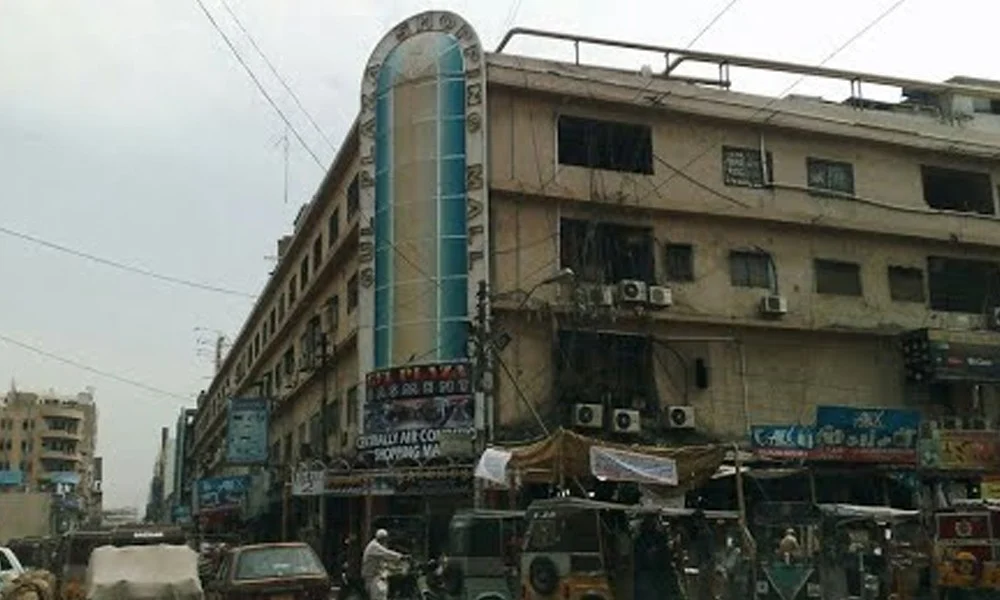
Sindh Governor Kamran Tessori proposed relocating affected traders to a vacant parking plaza near Empress Market as a temporary measure, demonstrating government willingness to work with civil society in finding practical solutions. The governor assured the business community of full cooperation and called for stricter enforcement of building safety laws to prevent future tragedies.
Medical and Psychological Support Networks
Healthcare professionals and mental health organizations have volunteered their services to provide free medical care and counseling to victims and their families. The Pakistan Medical Association established mobile medical camps near the disaster site, offering treatment for smoke inhalation, burns, and trauma-related conditions.
Psychological first aid teams from various NGOs, including the Red Crescent Society and private counseling centers, are providing critical mental health support. Many survivors are experiencing severe trauma, having witnessed horrific scenes or lost family members and friends. Mental health professionals emphasize that psychological recovery from such disasters can take months or years, necessitating sustained support.
Community Kitchens and Essential Supplies
Local mosques, community centers, and welfare organizations established community kitchens to provide free meals to affected families, rescue workers, and volunteers. For days following the fire, thousands of meals were distributed daily, ensuring that families dealing with crisis didn’t have the additional burden of arranging food.
