

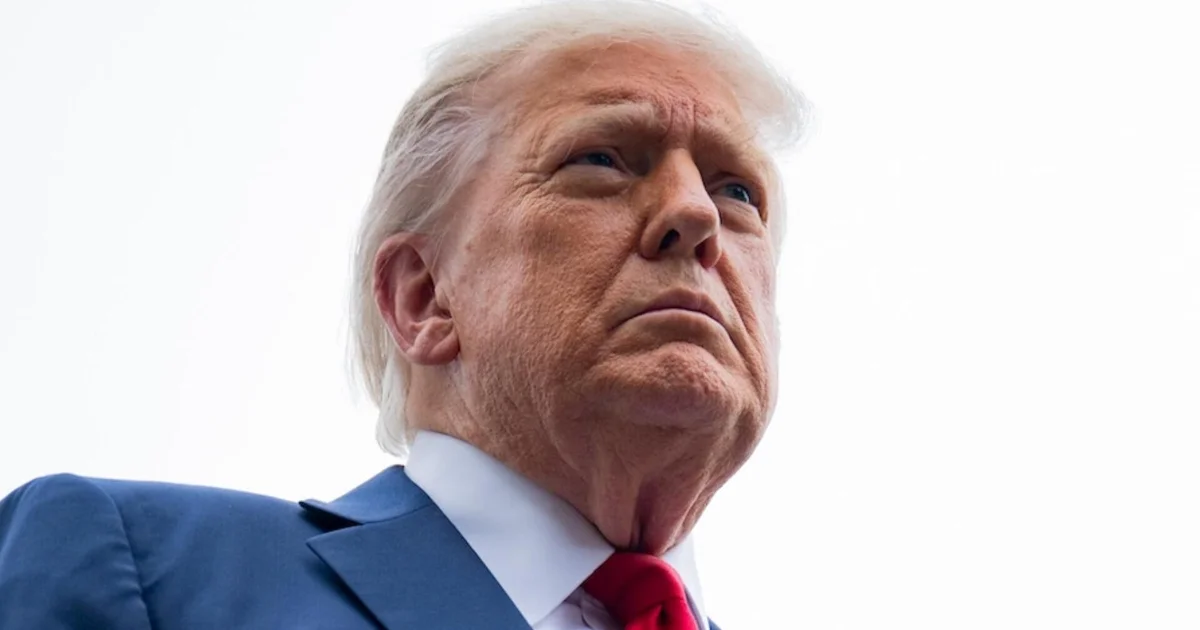
President Weighs Military Options as Death Toll Exceeds 500
President Donald Trump is actively considering military strikes against Iran as the regime’s violent crackdown on protesters intensifies, with hundreds killed and thousands arrested across the country. Senior administration officials confirmed on Tuesday, January 13, 2026, that Trump will receive a comprehensive briefing on intervention options ranging from cyber warfare to direct military strikes aimed at weakening the regime and inspiring renewed anti-government protests.
The Wall Street Journal reports that proposed actions include boosting anti-government communications online, deploying cyber weapons against Iranian military and civilian infrastructure, imposing additional sanctions, and conducting targeted military strikes on nuclear facilities, government buildings, or security infrastructure.Trump has publicly declared that the U.S. stands “locked and loaded and ready to go” if Iran continues killing demonstrators.
Nationwide Protests Enter Third Week
What began as shopkeeper strikes over soaring prices and currency collapse in late December 2025 has morphed into the largest anti-regime demonstrations since the 2022 protests following Mahsa Amini’s death in custody. The unrest has spread from major urban centers like Tehran to smaller cities across at least 11 provinces, with protesters calling for freedom and an end to the Islamic Republic’s 47-year rule.
The Human Rights Activists News Agency documented at least 495 fatalities among protesters as of January 12, with over 500 additional reported cases under review. Some Iranian security forces have also been killed. More than 10,600 people have been arrested during the 15 days of protests, according to HRA’s extensive network of contacts inside Iran.
Video footage verified by international media shows security forces using live ammunition against demonstrators, with bodies piling up outside morgues and hospitals reporting gunshot wounds to the head and chest.
“The regime has imposed a near-total internet blackout to hide the scale of violence, though some protesters are using Elon Musk’s Starlink satellite internet to bypass restrictions and share footage globally.”
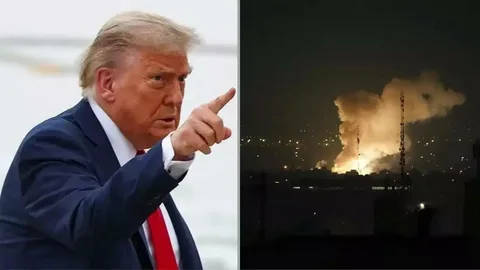
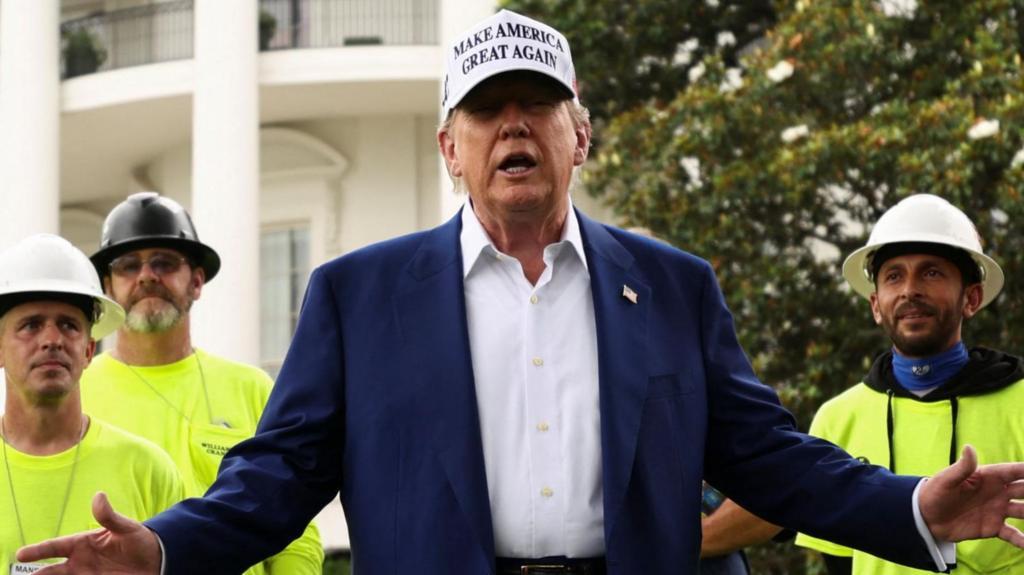
Trump’s Escalating Rhetoric and Threats
Trump has issued increasingly explicit warnings to Iran’s leadership throughout the crisis. “If Iran shots (sic) and violently kills peaceful protesters, which is their custom, the United States of America will come to their rescue,” he wrote on Truth Social on January 1. “We are locked and loaded and ready to go.”
At a meeting with oil executives on January 10, Trump stated: “I tell the Iranian leaders: You better not start shooting, because we’ll start shooting, too.” He clarified that intervention wouldn’t necessarily mean “boots on the ground, but it means hitting them very, very hard where it hurts.”
On Air Force One January 12, Trump told reporters: “We’re looking at it very seriously. The military is looking at it, and we’re looking at some very strong options. We’ll make a determination.” He indicated that Iranian authorities were “starting to” cross the threshold that could trigger U.S. military response.
Trump also said the U.S. might attempt to restore internet access in Iran: “We may get the internet going, if that’s possible. We may speak to Elon Musk. I’m going to call him as soon as I’m finished with you.”
Iran’s Defiant Response
Supreme Leader Ayatollah Ali Khamenei responded defiantly on January 3: “We won’t give in to them. With reliance on God & confidence in the people’s support, we’ll bring the enemy to its knees.” Iranian officials have threatened to target U.S. military installations throughout the Middle East if Washington intervenes.
Ali Larijani, Secretary of Iran’s Supreme National Security Council, warned: “American interference in this internal issue is equivalent to chaos across the entire region.” He referenced the substantial U.S. military presence in the region, including Al Udeid airbase in Qatar, which Iran attacked in June following American strikes on Iranian nuclear sites.
Foreign Minister Abbas Araghchi stated on X: “The Great People of Iran will forcefully reject any interference in their internal affairs. Similarly, our Powerful Armed Forces are on standby and know exactly where to aim in the event of any infringement of Iranian sovereignty.”
Iran’s Prosecutor-General Mohammad Movahedi Azad said authorities would treat protesters as an “enemy of God,” a charge that carries the death penalty under Iranian law. He also confirmed that officials arrested 100 people in Tehran province alone. Authorities accused them of disrupting public order.
What sparked the protests in Iran?
Economic grievances triggered initial demonstrations in late December 2025 as inflation spiked and Iran’s currency collapsed. Shopkeepers in Tehran went on strike over high prices and stagnation. Protests quickly evolved from economic complaints into broader anti-regime movements demanding freedom and political change, reflecting deep dissatisfaction with the Islamic Republic’s governance.
How many people have been killed in the protests?
The Human Rights Activists News Agency documented at least 495 protester deaths as of January 12, 2026, with over 500 additional cases under review. Other sources report higher numbers, with some estimates exceeding 500 killed. At least eight children are among the dead. The actual toll may be significantly higher due to Iran’s internet blackout and information control.
What military options is Trump considering?
Options reportedly include cyberattacks on Iranian infrastructure. They also include drone and missile strikes launched from air and sea. Other possibilities involve attacks on nuclear facilities or military installations, as well as sabotage operations. The plan may also include steps to restore internet access in Iran.
Trump has explicitly ruled out “boots on the ground.” However, he said any strikes would target areas “where it hurts” the regime most.
