

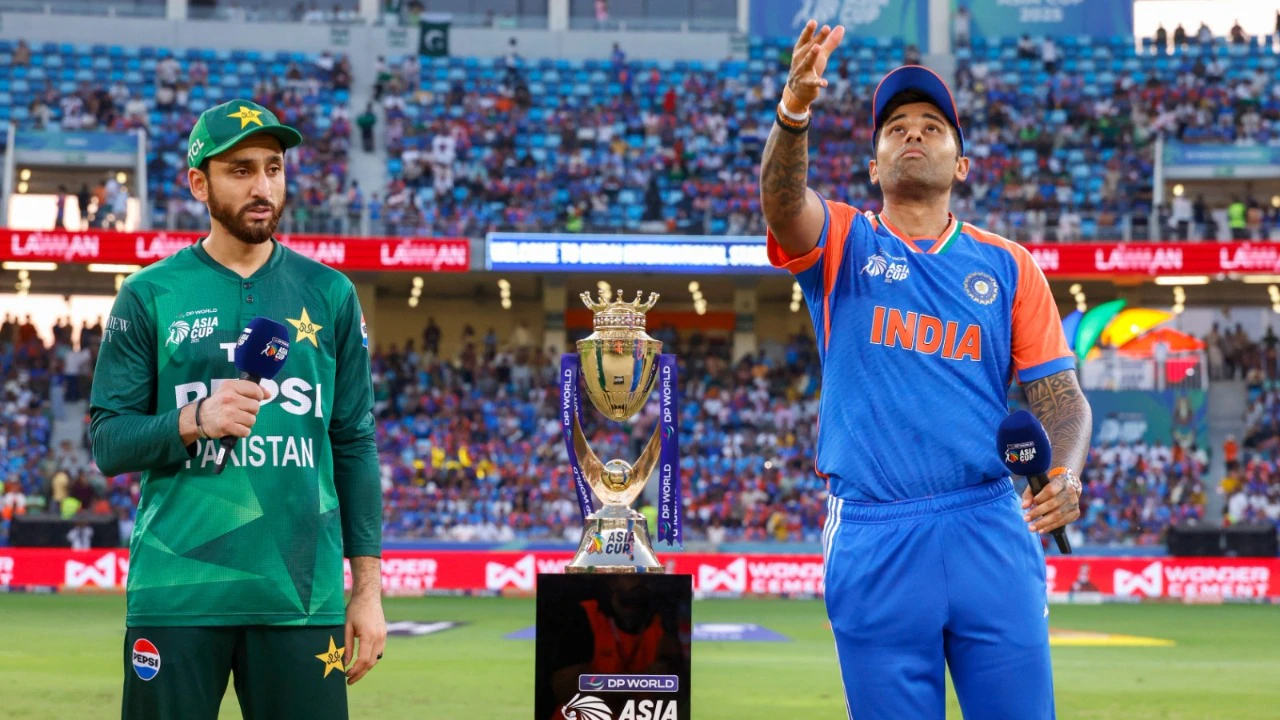
Government Approves Tournament Entry But Instructs Team to Boycott India Clash
The Government of Pakistan confirmed on Sunday, February 1, 2026, that the national cricket team will participate in the ICC Men’s T20 World Cup but will not take the field against India in their scheduled Group A match on February 15 in Colombo. The announcement ends days of speculation about whether Pakistan would participate in the T20 World Cup following Bangladesh’s controversial removal from the tournament.
“The Government of the Islamic Republic of Pakistan grants approval to the Pakistan Cricket Team to participate in the ICC World T20 2026, however, the Pakistan Cricket Team shall not take the field in the match scheduled on 15th February 2026 against India,” the official Government of Pakistan X account stated. The statement did not provide specific reasons for the boycott decision.
Pakistan Will Forfeit Two Points, Net Run Rate Hit
Under ICC playing regulations, Pakistan will forfeit the match and concede two points to India without a ball being bowled. The decision will also hurt Pakistan’s net run rate. Officials will count Pakistan’s full 20 overs as zero runs, which will significantly damage their position in Group A.
According to ICC Playing Conditions clause 16.10.7, officials will calculate the defaulting team’s net run rate by counting the full 20 overs of its forfeited innings when determining its average runs per over for the relevant stage of the competition. India’s net run rate, by contrast, will remain unaffected by the forfeiture.
“Pakistan Cricket Board chairman Mohsin Naqvi met with Prime Minister Shehbaz Sharif on Sunday in Lahore before the announcement was made.”
Naqvi had previously warned that Pakistan might withdraw entirely from the tournament after Bangladesh were removed on January 24, accusing the ICC of “double standards” and favoritism toward India.
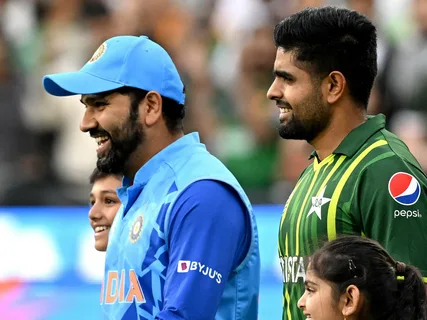
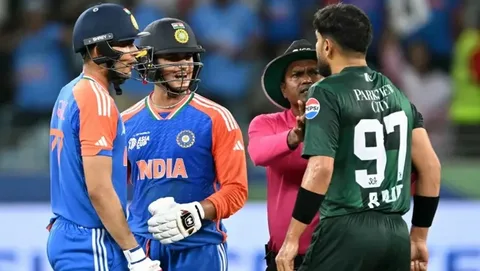
Tournament Context and Bangladesh Controversy
Pakistan’s decision came after the ICC removed Bangladesh from the T20 World Cup. Bangladesh had refused to play matches in India due to political tensions and security concerns. The team requested that all their fixtures be shifted to co-host Sri Lanka. However, the ICC rejected this request, stating that moving venues was not possible because of logistical challenges and the tournament’s February 7 start date.
Pakistan was the only nation to vocally support Bangladesh’s position, creating speculation that they might also withdraw. The PCB accused the ICC of applying different standards to different countries, particularly noting that India has previously been accommodated with hybrid models when refusing to travel to Pakistan.
During the Champions Trophy 2025, India refused to travel to Pakistan. As a result, the ICC introduced a hybrid model, with India playing all matches in Dubai while Pakistan hosted the remaining fixtures. Pakistan later argued that the ICC showed bias toward India by not offering Bangladesh a similar arrangement for the T20 World Cup.
ICC Response and Warnings
The International Cricket Council issued a strongly worded statement expressing concern about Pakistan’s “selective participation” approach. “While the ICC awaits official communication from the Pakistan Cricket Board, this position of selective participation is difficult to reconcile with the fundamental premise of a global sporting event where all qualified teams are expected to compete on equal terms per the event schedule,” the ICC stated.
The governing body said ICC tournaments depend on integrity, competitiveness, consistency, and fairness, warning that selective participation damages the spirit of the competition. The ICC urged the PCB to consider the long-term impact on cricket in Pakistan, noting that such decisions could affect the global cricket ecosystem of which it is a key member.
The ICC emphasized that while it respects governmental roles in national policy matters, “this decision is not in the interest of the global game or the welfare of fans worldwide, including millions in Pakistan.” The statement called on the PCB to “explore a mutually acceptable resolution” before the tournament begins.
Why is Pakistan boycotting the match against India?
The Pakistani government has not officially specified reasons, but the decision follows the ICC’s removal of Bangladesh from the tournament and Pakistan’s accusation that the ICC applies double standards favoring India regarding venue arrangements and security concerns.
Will Pakistan play their other T20 World Cup matches?
Yes, Pakistan will participate in all other Group A fixtures against the Netherlands (February 7), USA (February 10), and Namibia (February 18) in Colombo, Sri Lanka.
What are the competitive consequences for Pakistan?
Pakistan will forfeit two points to India and suffer a severe net run rate penalty that could impact their chances of advancing from the group stage if they finish tied on points with other teams.
Is this the first time an India-Pakistan match has been canceled at an ICC tournament?
Yes, if the boycott stands, the 2026 T20 World Cup will be the first men’s ICC tournament since 2010 not to feature an India-Pakistan encounter in the group stage.
What is the commercial impact of this decision?
Enormous. India-Pakistan matches are the tournament’s biggest commercial draw, generating massive television audiences and revenue. The loss of this fixture significantly impacts the tournament’s financial projections and disappoints millions of cricket fans globally.
Can Pakistan change their decision?
Theoretically yes, but it would require government approval. The ICC has called for a “mutually acceptable resolution,” suggesting negotiations may continue, though time is running short with Pakistan’s first match on February 7.
Pakistan’s Group A Schedule
Despite the India boycott, Pakistan will compete in their other Group A fixtures, all scheduled in Colombo:
- February 7: Pakistan vs Netherlands at Sinhalese Sports Club
- February 10: Pakistan vs USA at Sinhalese Sports Club
- February 15: Pakistan vs India (FORFEITED) at R. Premadasa Stadium
- February 18: Pakistan vs Namibia at Sinhalese Sports Club
Pakistan’s campaign begins against the Netherlands on the tournament’s opening day. They are 2009 T20 World Cup champions and have reached the final on two other occasions, making them one of the format’s most successful teams despite current political complications.
Indian and International Reactions
BCCI secretary Devajit Saikia stated that the Indian board is awaiting official communication before responding. “I can’t make any comment till the moment I receive the official intimation. It will not be right for me to pass any comment on this issue,” Saikia told CNN News18. “The outcome of a match can be anything, but the thing is that once we get the information, then we will give our official statement on this development.”
Former Pakistan wicketkeeper Kamran Akmal backed the government’s decision, telling AFP: “Enough is enough. We had to take this decision. India has been frequently mixing politics with sports and damaging the spirit of the game, so our government has taken a strong decision which should be backed.”
International cricket administrators are monitoring the situation closely, concerned that this precedent could encourage similar boycotts in future tournaments based on political considerations rather than sporting merit. The decision sets a potentially dangerous precedent for international cricket, where political tensions between nations could increasingly disrupt scheduled fixtures.
Historical Context of India-Pakistan Cricket Relations
India and Pakistan have not played a bilateral cricket series for more than a decade, with meetings restricted to ICC events and continental tournaments like the Asia Cup. Political tensions between the nuclear-armed neighbors have repeatedly interfered with cricket relations, with security concerns and diplomatic standoffs regularly threatening scheduled matches.
The rivalry remains cricket’s most intense and commercially valuable, with matches attracting television audiences exceeding one billion viewers globally. The emotional intensity of these encounters transcends sport, representing broader geopolitical tensions between the two nations.
The hybrid model implemented for the Champions Trophy 2025 represented an attempt to balance India’s security concerns with the commercial and sporting importance of India-Pakistan encounters. However, Pakistan’s decision to boycott the T20 World Cup match suggests that even such compromises may not satisfy all parties in future tournaments.
