

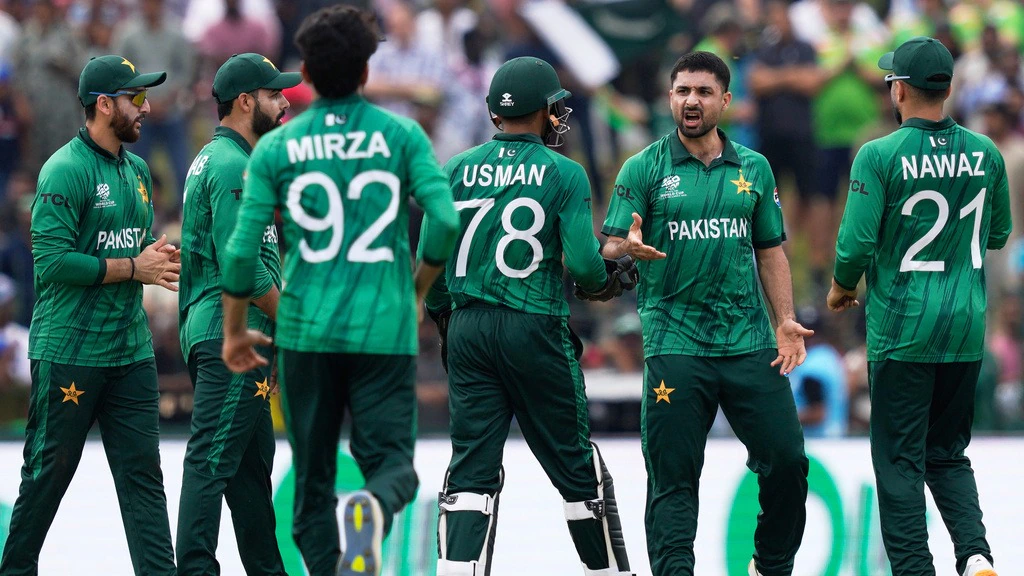
Dramatic U-Turn: Pakistan Reverses Boycott Decision After ICC Negotiations
In a stunning reversal, Pakistan has confirmed it will play its scheduled T20 World Cup Group A match against India on February 15, 2026 in Colombo, abandoning its earlier boycott decision announced just nine days ago. The Pakistan Cricket Board took a U-turn following intense back-channel negotiations between the International Cricket Council and government officials who announced the boycott on February 1.
Sources close to the development confirmed on Sunday, February 9, that Pakistan will now travel to Colombo for the marquee fixture, ending days of uncertainty that threatened to rob cricket fans worldwide of the sport’s most lucrative encounter. The reversal comes after the PCB demanded resumption of bilateral series with India and proposed a tri-series involving India, Pakistan, and Bangladesh as preconditions for playing the February 15 match.
What Changed Pakistan’s Position?
The dramatic policy shift follows a week of intensive diplomatic cricket negotiations led by ICC Deputy Chairman Imran Khwaja and Emirates Cricket Board’s Mubashir Usmani, who maintained constant communication with PCB Chairman Mohsin Naqvi and PSL head Salman Naseer. These back-channel talks, which began even before the boycott announcement, focused on finding a “mutually acceptable resolution” that would preserve the tournament’s integrity while addressing Pakistan’s concerns.
Pakistan’s original February 1 boycott declaration stated: “The Government of the Islamic Republic of Pakistan grants approval to the Pakistan Cricket Team to participate in the ICC World T20 2026, however, the Pakistan Cricket Team shall not take the field in the match scheduled on 15th February 2026 against India.” Prime Minister Shehbaz Sharif justified this decision as solidarity with Bangladesh, which was excluded from the tournament after refusing to play matches in India due to security concerns.
The ICC responded firmly, warning that “selective participation undermines the spirit and sanctity of the competitions” and calling on the PCB to “consider the significant and long-term implications for cricket in its own country.”
“The world body emphasized that any boycott would “impact the global cricket ecosystem, of which it is itself a member and beneficiary.”
Financial and Sporting Stakes
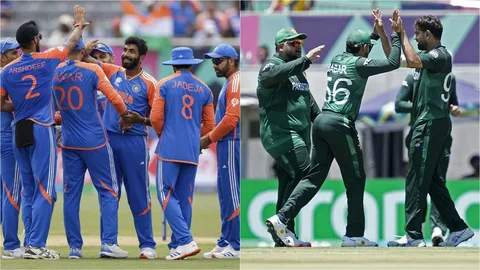
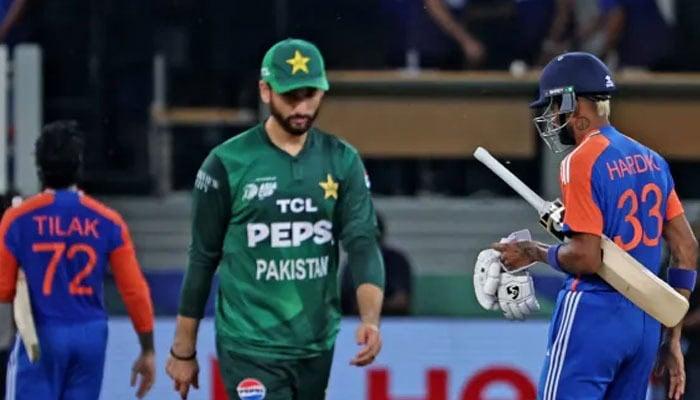
The India-Pakistan clash represents cricket’s most valuable fixture, generating millions of dollars in broadcast rights, sponsorship, and advertising revenue. With both teams having won their opening matches—India defeating USA and Pakistan narrowly beating Netherlands—the February 15 encounter gains additional sporting significance beyond the traditional rivalry.
Under ICC Playing Conditions clause 16.10.7, had Pakistan forfeited, they would have conceded two points to India and suffered a severe net run rate penalty that could have jeopardized their Super 8 qualification chances if they finished tied on points with other Group A teams. The financial implications extended beyond lost tournament revenue to potential long-term damage to Pakistan’s hosting rights and ICC funding allocations.
Timeline: From Boycott to Reversal
January 24, 2026: Bangladesh removed from T20 World Cup after refusing to play in India; replaced by Scotland
January 28, 2026: PCB Chairman Naqvi questions Pakistan’s participation, calls ICC decision “double standards”
February 1, 2026: Pakistan government announces boycott of India match
February 4, 2026: PM Shehbaz Sharif publicly backs boycott as Bangladesh solidarity
February 5-8, 2026: Intensive ICC-PCB negotiations via Khwaja and Usmani
February 7, 2026: Pakistan defeats Netherlands in tournament opener
February 9, 2026: Sources confirm Pakistan will play India match; official announcement pending
Current Tournament Status
Pakistan currently sits in Group A alongside India, Namibia, Netherlands, and USA. Both Pakistan and India have registered victories in their opening fixtures, setting up a potentially decisive encounter on February 15 at Colombo’s R. Premadasa Stadium.
Pakistan’s Remaining Schedule:
- February 10: vs USA (Sinhalese Sports Club)
- February 15: vs India (R. Premadasa Stadium) – NOW CONFIRMED
- February 18: vs Namibia (Sinhalese Sports Club)
India’s Schedule:
- February 12: vs Namibia
- February 15: vs Pakistan
- February 17: vs Netherlands
What This Means for Cricket Fans
Will the India-Pakistan match definitely happen?
Yes. Sources confirm Pakistan will travel to Colombo and take the field on February 15, ending speculation about cricket’s biggest rivalry being absent from this World Cup.
Where will the match be played?
R. Premadasa Stadium in Colombo, Sri Lanka. All Pakistan matches are being played in Sri Lanka under the tournament’s co-hosting arrangement.
What time does the match start?
The fixture is scheduled for February 15, 2026, with exact timings to be confirmed by the ICC closer to the match date.
Could Pakistan still boycott knockout stage matches?
Highly unlikely. The reversal appears comprehensive, with no indication that Pakistan would renew boycott threats if both teams advance to Super 8 or knockout stages.
What did Pakistan gain from the negotiations?
While official terms haven’t been disclosed, reports suggest Pakistan secured commitments regarding bilateral series discussions and potential tri-series arrangements involving Bangladesh.
Political Context and Bangladesh Solidarity
Pakistan initially framed its boycott as principled solidarity with Bangladesh. Bangladesh faced exclusion after its government refused to allow the team to play in India.
The ICC Board voted 14–2 to replace Bangladesh with Scotland. The board chose this option instead of rescheduling matches in Sri Lanka. Only Pakistan and Bangladesh voted against the decision.
Prime Minister Shehbaz Sharif stated:
“We have taken a very clear stand on the T20 World Cup. We will not play the match against India because there should be no politics on the sports field.” We should completely stand by Bangladesh, and I think this is a very appropriate decision.”
However, the reversal suggests that cricket’s commercial realities and Pakistan’s own tournament interests ultimately outweighed political solidarity considerations. The decision also reflects recognition that Bangladesh’s exclusion created a precedent Pakistan didn’t want applied to itself in future tournaments.
