

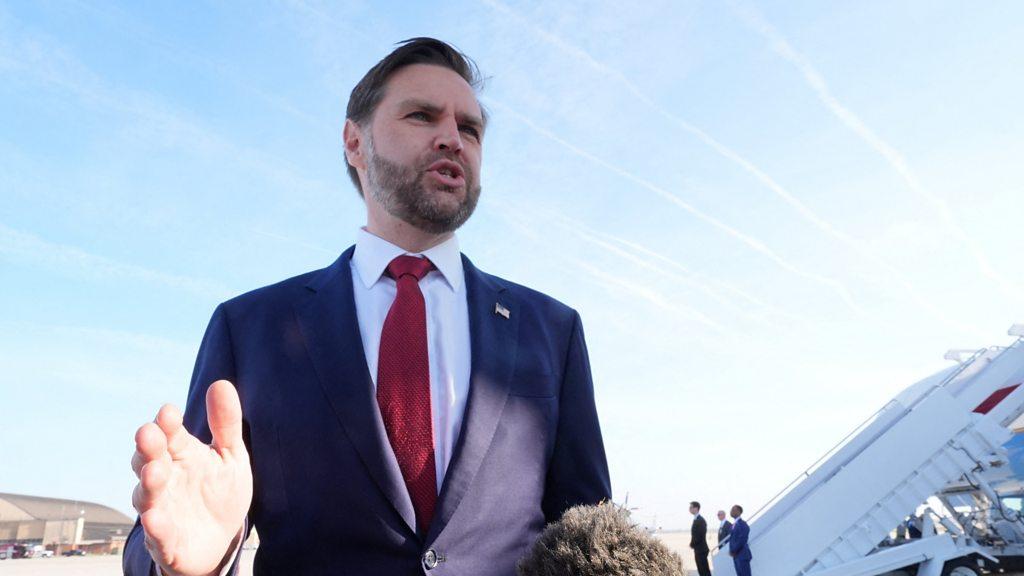
U.S. Vice President JD Vance expressed optimism ahead of high-stakes diplomatic talks between the United States and Iran, as he departed for Islamabad to lead negotiations aimed at easing tensions. The upcoming discussions mark a significant moment in regional diplomacy, with Islamabad emerging as a neutral venue for dialogue between two long-standing adversaries.
According to officials, the talks will focus on de-escalation, regional stability, and the possibility of reopening diplomatic channels. Speaking before departure, Vance said he was “hopeful of a positive outcome,” signaling cautious optimism despite the complex history between the two nations.
Why Islamabad Was Chosen for Talks
Diplomatic sources indicate that Pakistan played a key role in facilitating the meeting. Islamabad has increasingly positioned itself as a mediator in regional conflicts, leveraging its strategic relationships with both Western and Middle Eastern stakeholders.
Analysts believe Pakistan’s neutral stance and geographic position make it an ideal location for sensitive negotiations. The decision to host the talks also reflects growing international recognition of Pakistan’s diplomatic outreach efforts.
Background of US-Iran Tensions
Relations between United States and Iran have remained strained for decades, marked by disputes over nuclear development, economic sanctions, and regional influence. Recent developments, including heightened military activity and economic pressures, have renewed urgency for dialogue.
Experts note that even limited progress in Islamabad could reduce tensions and open the door for broader negotiations in the future. However, both sides face domestic and geopolitical challenges that may complicate efforts to reach a comprehensive agreement.
Key Issues on the Table
The Islamabad talks are expected to address several critical issues:
- Nuclear program concerns and potential compliance measures
- Sanctions relief and economic cooperation
- Regional security dynamics, including Middle East stability
- Confidence-building steps to restore diplomatic engagement
These discussions could shape not only bilateral relations but also broader geopolitical dynamics in the region.
Potential Global Impact
The outcome of the talks may carry significant global implications. A positive breakthrough could influence oil markets, reduce geopolitical risk, and improve investor confidence worldwide.
Possible Outcomes of US-Iran Talks
| Scenario | Impact |
|---|---|
| Successful agreement | Reduced tensions and improved economic outlook |
| Partial progress | Continued dialogue with limited relief |
| No agreement | Ongoing instability and geopolitical uncertainty |
This structured outlook highlights why international observers are closely monitoring developments in Islamabad.
What Comes Next
Officials say the talks will continue over several rounds, depending on initial progress. While expectations remain measured, the willingness of both sides to engage signals a potential shift in diplomatic strategy.
Observers emphasize that even symbolic progress could help rebuild trust and create pathways for future agreements. For now, attention remains focused on Islamabad, where the next phase of U.S.-Iran relations may begin.
Why is JD Vance leading the talks?
Pakistan offers a neutral platform and has actively facilitated communication between the two countries.
The primary goal is to reduce tensions and explore possibilities for diplomatic and economic cooperation.
While a comprehensive deal may take time, even partial progress could pave the way for future negotiations.
How could the talks affect global markets?

3 Comments
Comments are closed.