

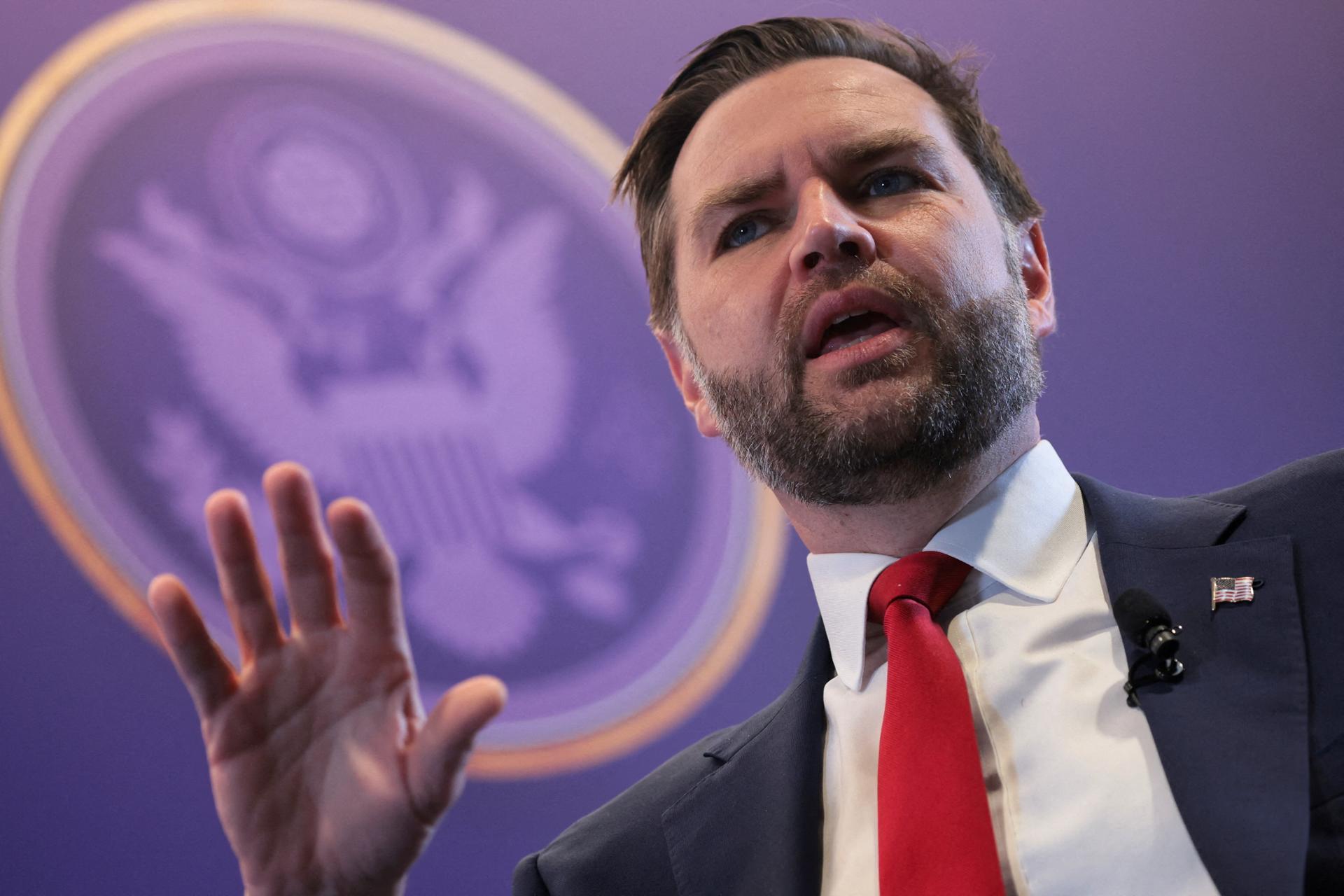
JD Vance has taken a leading role in the ongoing diplomatic engagement between the United States and Iran, highlighting the importance of the current negotiations. His involvement in the US-Iran talks in Islamabad signals a high-level commitment from Washington to resolve tensions through dialogue.
Initially, such negotiations were expected to involve lower-level diplomatic officials. However, the decision to send a senior political figure like Vance indicates that the United States considers these talks critical for regional stability. Moreover, it reflects a broader strategy to directly engage with key geopolitical challenges rather than relying solely on indirect diplomacy.
In recent years, relations between the United States and Iran have remained strained due to disagreements over nuclear policy, economic sanctions, and regional influence. As tensions increased, both countries faced growing international pressure to return to the negotiating table. Consequently, the US-Iran talks in Islamabad emerged as a key opportunity to explore diplomatic solutions.
Furthermore, Vance’s leadership may help streamline decision-making during the discussions. Experts believe that having a senior official present can accelerate negotiations and improve the chances of reaching a preliminary understanding. At the same time, his role allows for direct communication between leadership levels, which is often essential in resolving complex disputes.
As explained in the main coverage of US-Iran talks in Islamabad, these discussions could influence broader geopolitical dynamics and reduce regional tensions.
Looking ahead, analysts remain cautiously optimistic. While challenges persist, the presence of JD Vance suggests that both sides are willing to take meaningful steps toward dialogue. Even limited progress in Islamabad could lay the groundwork for future agreements and long-term stability.
