

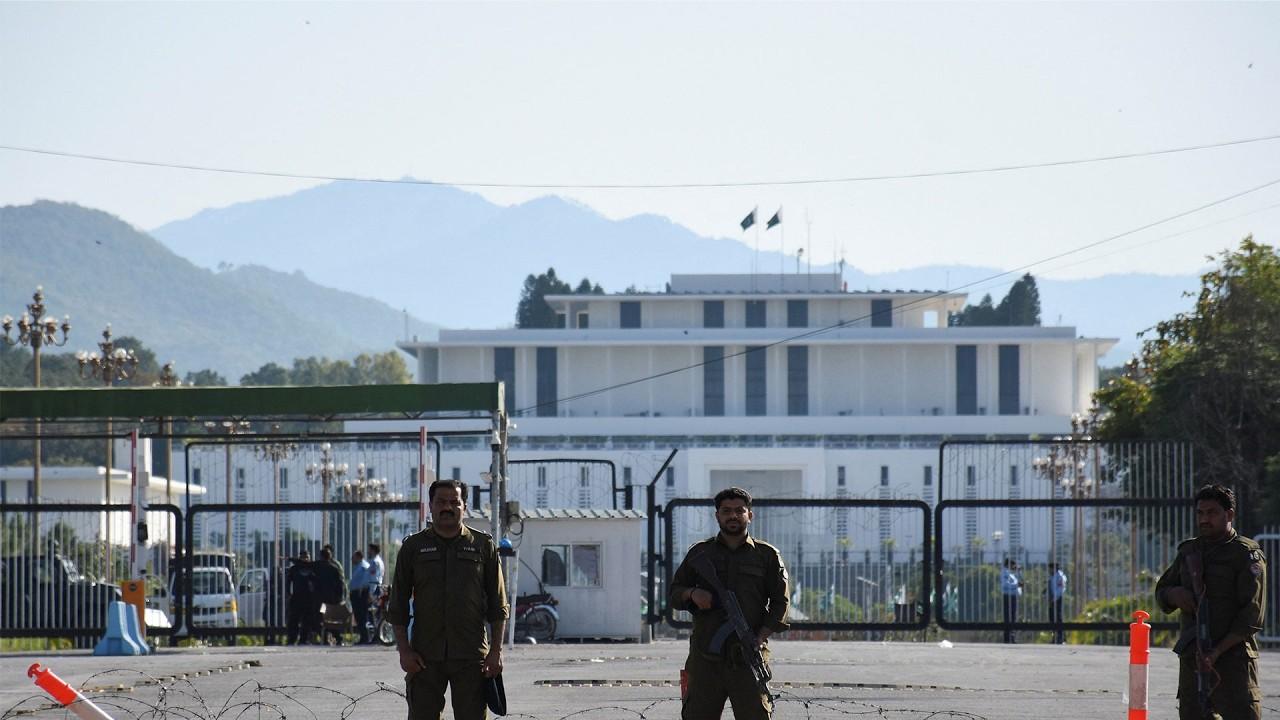
Tensions between the United States and Iran have evolved over several decades. However, recent developments have accelerated diplomatic efforts, ultimately leading to the US-Iran talks in Islamabad.
Initially, relations deteriorated significantly after the United States withdrew from the nuclear agreement in 2018. As a result, economic sanctions intensified, placing increasing pressure on Iran’s economy. Meanwhile, regional conflicts and geopolitical rivalries further strained ties between the two nations.
Meanwhile, the growing importance of leadership can be seen in the JD Vance role in talks, as Washington sends its vice president to lead negotiations.
Over time, both countries engaged in indirect negotiations through intermediaries. However, these efforts produced limited results. Consequently, tensions continued to rise, particularly in key regions affecting global trade and energy routes.
Key Timeline of Events
| Year | Development |
|---|---|
| 2018 | US exits nuclear deal |
| 2020 | Military tensions escalate |
| 2023–25 | Economic pressure increases |
| 2026 | Direct talks initiated in Islamabad |
More recently, global stakeholders began urging both sides to return to direct negotiations. In response, diplomatic channels reopened, and Islamabad emerged as a neutral venue.
As highlighted in the main coverage of US-Iran talks in Islamabad, this timeline explains why both sides now view dialogue as necessary.
Looking ahead, analysts believe that understanding this historical context is essential. Without addressing underlying issues, long-term agreements may remain difficult to achieve.
