

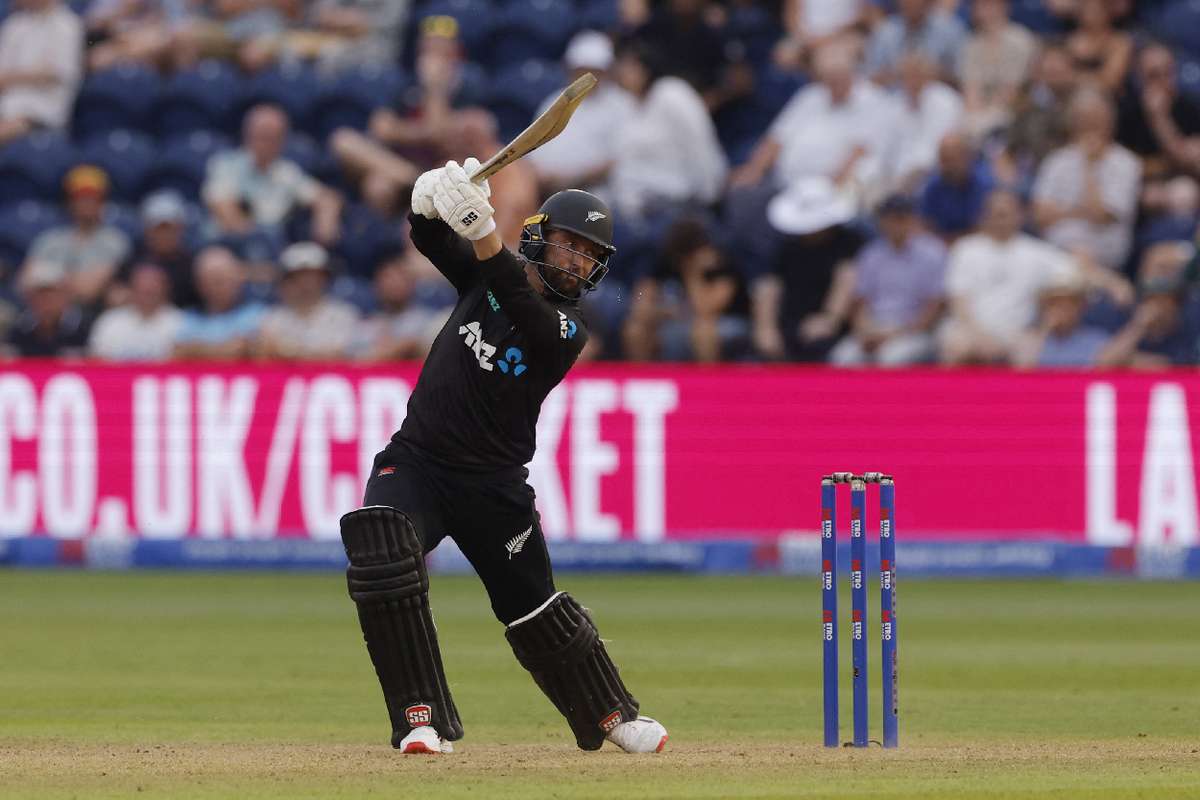
In a commanding display of composure and skill, Devon Conway led New Zealand national cricket team to a convincing victory over South Africa national cricket team in the second T20I, leveling the series 1-1. The match highlighted New Zealand’s resilience after a disappointing defeat in the opener and reaffirmed Conway’s importance at the top of the order.
Match Summary: Conway Anchors a Competitive Total
Batting first, New Zealand posted a solid total of 175/6 in 20 overs, thanks largely to Conway’s composed knock of 60 runs off 49 balls. His innings provided the stability needed on a slightly tricky pitch, allowing the middle order to accelerate towards the end.
Despite early caution, Conway gradually built momentum, rotating strike efficiently and finding boundaries at crucial moments. His partnership with the top order ensured that New Zealand avoided early setbacks—a key improvement from their previous outing.
South Africa Collapse Under Pressure
In response, South Africa struggled to keep up with the required run rate and were eventually bowled out for 107 runs, falling short by a significant 68-run margin.
New Zealand’s bowling attack delivered a clinical performance, with pace bowlers applying relentless pressure. The likes of Lockie Ferguson and Ben Sears dismantled the batting lineup, triggering a collapse in the middle overs.
South Africa never found momentum, losing wickets at regular intervals and failing to build meaningful partnerships.
Key Performance Insights
| Metric | New Zealand | South Africa |
|---|---|---|
| Total Score | 175/6 | 107 all out |
| Top Scorer | Devon Conway (60) | George Linde (33) |
| Top Bowlers | Ferguson, Sears (3 wickets each) | Mulder (2 wickets) |
| Result | Won by 68 runs | Lost |
Why Conway’s Innings Mattered
- Stabilized the innings after a cautious start
- Built a platform for late acceleration
- Managed strike rotation effectively
- Delivered under pressure after previous match failure
Turning Point of the Match
The turning point came during South Africa’s middle overs, where New Zealand’s bowlers struck in quick succession. The Proteas’ batting lineup collapsed under scoreboard pressure, highlighting the effectiveness of New Zealand’s disciplined bowling strategy.
Series Context and Momentum Shift
This victory was crucial for New Zealand, especially after being bowled out for just 91 runs in the first match of the series.
By bouncing back strongly, the team demonstrated tactical adjustments and mental resilience—key traits in a competitive T20 series.
Expert Analysis
From an analytical standpoint, Conway’s innings stands out as a textbook example of T20 anchoring. While aggressive hitting often dominates headlines, controlled batting on challenging surfaces remains equally valuable.
New Zealand’s strategy combined:
- A stable top-order anchor
- Late-innings acceleration
- Aggressive, wicket-taking bowling
This balanced approach is increasingly becoming the blueprint for success in modern T20 cricket.
Devon Conway was the standout performer, scoring 60 runs and anchoring New Zealand’s innings.
New Zealand defeated South Africa by 68 runs.
New Zealand scored 175/6 in 20 overs.
South Africa struggled with batting consistency and collapsed under pressure from New Zealand’s bowlers.
The win leveled the series at 1-1, setting up a competitive remainder of the tour.
