

Unprecedented Buyer Interest Reflects Growing Optimism in Emirates Real Estate
The UAE real estate market is entering 2026 with extraordinary momentum, as new data reveals that approximately 70% of residents are actively considering property purchases this year. This remarkable figure underscores the growing investor confidence in UAE property, driven by economic growth, long-term visa programs, and a market transitioning from speculative momentum to sustainable, lifestyle-focused investment.
Dubai’s property sector began 2026 recording transactions worth AED 771.12 million on the first working day alone, with 204 deals completed including 140 residential units, 40 buildings, and 24 land plots. This strong opening follows a record-breaking 2025 that saw total real estate sales reach AED 682 billion, eclipsing all previous annual benchmarks and establishing the Emirates as one of the world’s most resilient property markets.
Economic Fundamentals Driving Buyer Confidence
The UAE’s economic performance provides solid foundations for real estate optimism. The IMF projects GDP growth to accelerate to 4.0% in 2025 and 5.0% in 2026, while non-oil sector expansion continues benefiting from tourism flows and increased activity in construction, manufacturing, and financial services. This diversified growth creates employment opportunities that translate directly into residential demand.
Population growth remains a critical driver. Dubai’s population reached 4.03 million residents as of October 2025, representing 4.47% year-on-year growth with approximately 470 new residents arriving daily. Abu Dhabi’s population similarly crossed 4 million in 2024, creating sustained demand across all property segments. The influx of 7,200 millionaires to the UAE in 2025 alone has further strengthened the high-end market, bringing total dollar millionaires in the Emirates to 130,500.
Demographic data shows buyers aged 31-45 account for the majority of purchases, with the 36-40 age group leading activity. Industry analysts note this trend reflects career stability, family formation, and long-term residency decisions rather than speculative investment, suggesting a maturing market focused on genuine lifestyle needs.
Supply Pipeline Creates Opportunities
Around 120,000 new residential units are scheduled for handover in Dubai in 2026, while Abu Dhabi expects approximately 6,500 deliveries. This substantial supply expansion is introducing greater choice and competitive pricing, particularly in mid-market segments. Areas like Jumeirah Village Circle, Al Furjan, and Mohammed Bin Rashid City are seeing significant completions that may moderate short-term price increases while supporting long-term accessibility.
“Areas like Jumeirah Village Circle, Al Furjan, and Mohammed Bin Rashid City are seeing significant completions that may moderate short-term price increases while supporting long-term accessibility.”
Despite the supply surge, analysts expect different outcomes across market segments. Prime locations like Palm Jumeirah, Emirates Hills, and Dubai Hills Estate continue experiencing strong demand with limited inventory, maintaining pricing power. Meanwhile, older or poorly maintained buildings may face downward pressure as buyers exercise greater selectivity.
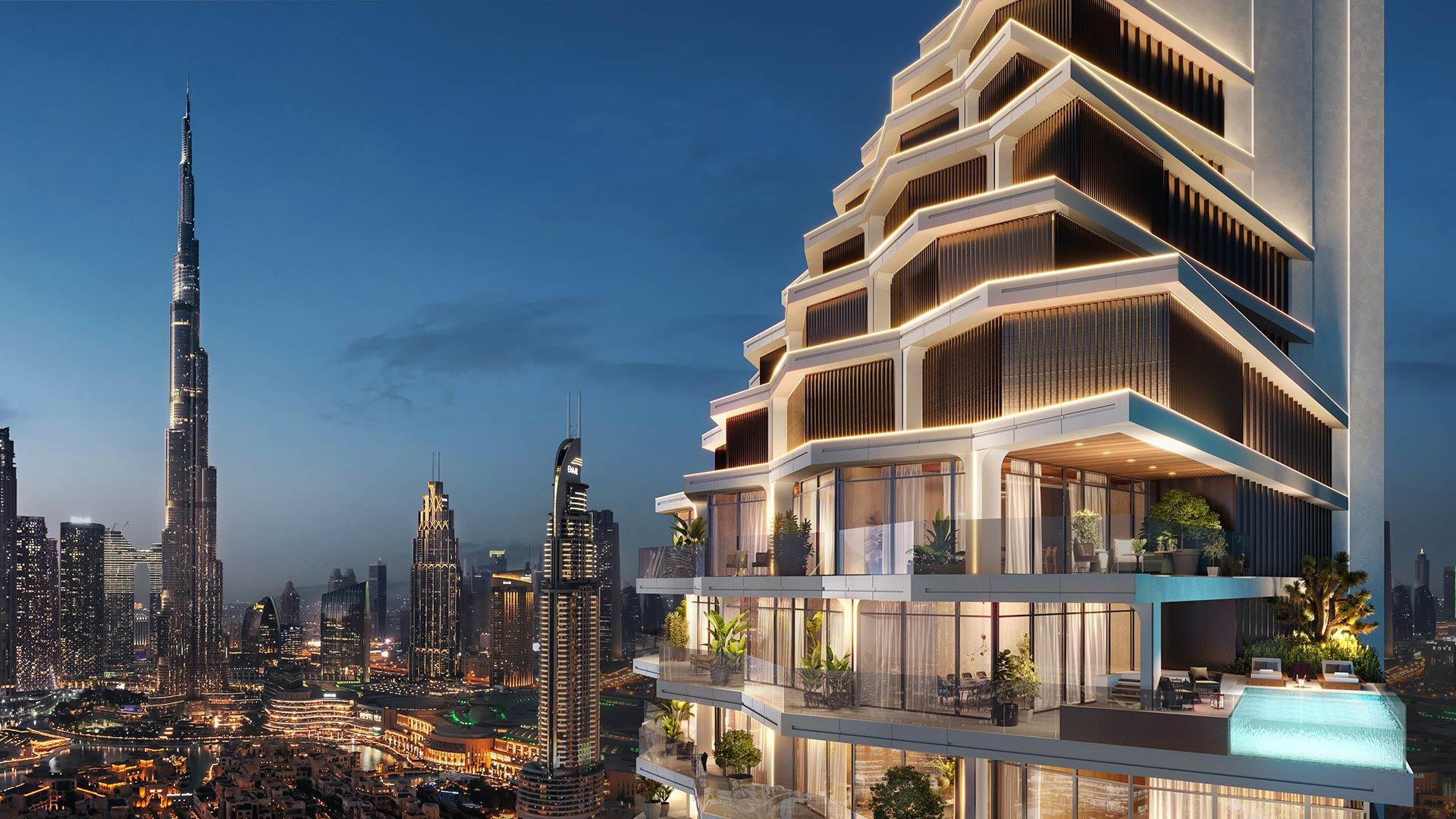
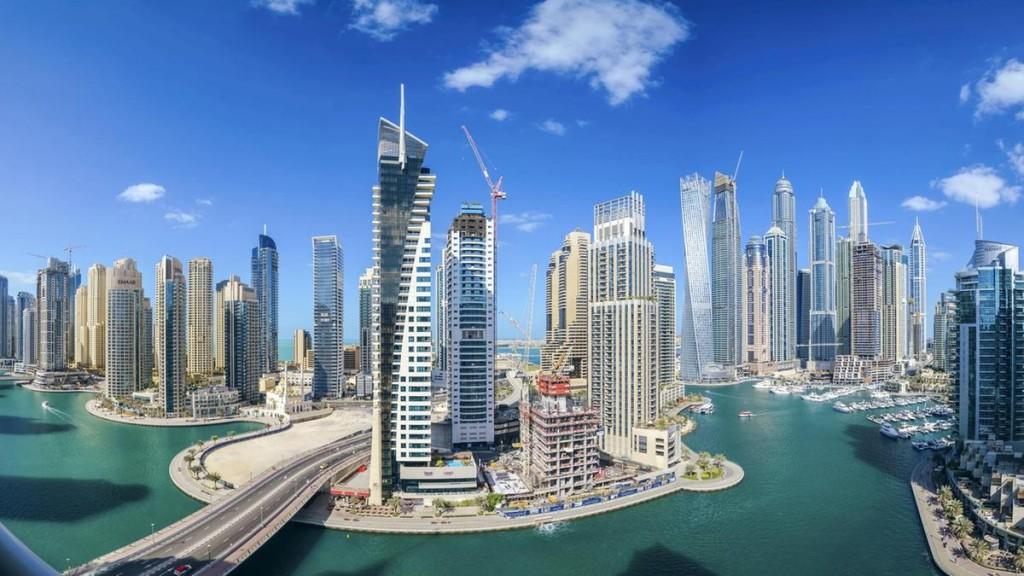
Moody’s forecasts over 150,000 new homes will be built across the UAE from 2025 to 2027, creating market diversity and offering choices at various price points.
What is driving 70% of UAE residents to consider property purchases in 2026?
Multiple factors are converging to create exceptional buying conditions. Mortgage interest rates have dropped below 4% at some banks, making financing more accessible. Long-term visa programs and the golden visa initiative provide residency security that encourages property investment. Additionally, the market’s transition from speculative to lifestyle-focused means buyers are prioritizing livability, community planning, and long-term value rather than short-term gains. Economic stability, population growth, and diverse supply options at various price points make 2026 an attractive entry point for many first-time buyers and upgrading residents.
